REC
Seborrheic Keratosis Therapy St Louis
What Causes Sks?
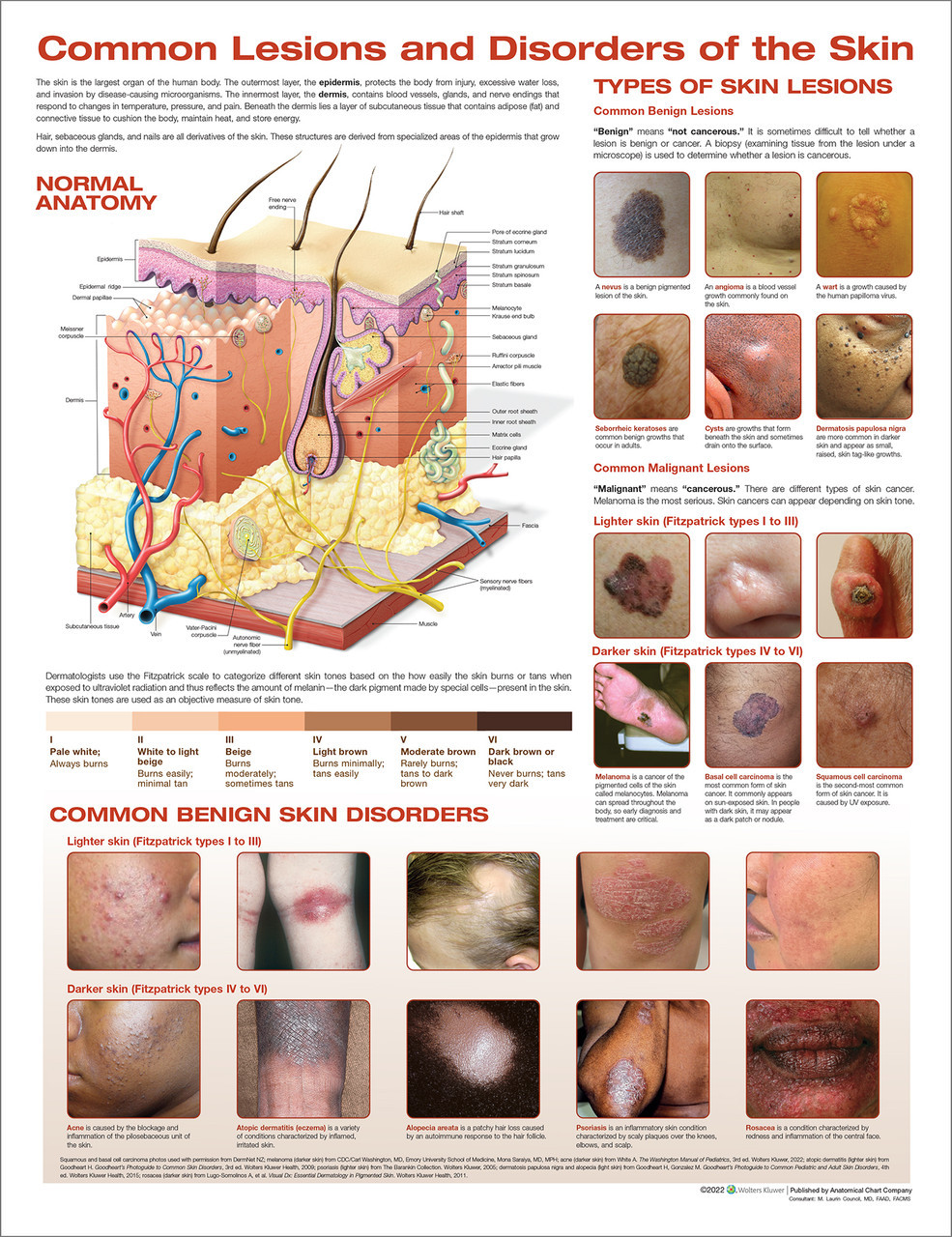
Elimination techniques include cryotherapy, shave biopsy, curettage, and cautery. One of the essential aspects to note concerning seborrheic keratoses is that they are totally benign and do not have the possible to turn into malignant growths. This should give peace of mind to those who may be worried concerning the long-term implications of these growths. Unlike other kinds of skin lesions, such as cancer malignancy or basic cell cancer, seborrheic keratoses do not have deadly qualities. One of the alternatives for treating seborrheic keratosis sores is cryotherapy, which involves freezing the affected location with fluid nitrogen. This cold process ruins the excess skin cells and enables healthier skin to grow in its place.What occurs if seborrheic keratosis is left unattended?
Seborrheic keratoses are harmless and not infectious. They Skin Surface Irregularities do not require therapy, yet you may make a decision to have them eliminated if they end up being inflamed by clothes or you don't like how they look.

Skin Cancer Cells Security
A skin specialist can establish whether wart-like growths are seborrheic keratosis (benign) or actinic keratosis (precancerous) based on their look. But in situations where the growth resembles skin cancer cells, the skin doctor may do an added biopsy to create a definitive medical diagnosis. A skin specialist can detect a seborrheic keratosis with exam. A couple of seborrheic keratoses that develop slowly with time is typical and usually not a cause for worry, particularly for individuals older than 50. Seborrheic keratoses are common benign (noncancerous) skin growths that can happen anywhere on the body. While it is feasible to have a seborrheic keratosis, it is more typical to develop a number of these developments, especially with raised age. While some are small, others grow larger than 3 centimeters in size. The team at the workplace of Mark Mehrany, MD, checks out the development to identify whether it's a seborrheic keratosis or skin cancer. Your expert suggests eliminating any malignant growths. They may suggest one or more methods to get rid of the growth, such as freezing or shaving it off. They may intend to evaluate the tissue they've eliminated under a microscope to ensure they obtained all of the cancerous tissue. Seborrheic keratosis stem from cells called keratinocytes. SKs can create anywhere on the skin, except the hands of the hands and the soles of the feet. Most SKs show up on the upper body, back, scalp, face and neck. You can look by location, condition, and treatment to locate the skin specialist that's right for you.- SKs are usually brown, although they might vary in shade from light tan to black.
- Seborrheic keratoses can be dark or brown, grey, black, tan, or skin-colored.
- These symptoms can be irritating for clients with lesions and may prompt them to seek clinical focus to rule out malignancy.
- We don't understand what causes seborrheic keratoses, although the tendency to develop them might be acquired.